
Start with the enforcement objective
Cities should not begin with the question, “What can this technology detect?” They should begin with the public objective: turnover, accessible-space availability, safety, commercial loading, permit compliance, payment verification, or another authorized curb use.
Different objectives require different information. A platform designed around the minimum evidence needed for each decision can reduce privacy exposure and remain adaptable when laws or community expectations change.
License-plate technology may remain appropriate for certain authorized purposes. Alternatives and complements create choices rather than forcing every workflow through one identifier.
Use a layered enforcement model
No single signal should carry the entire service. Cities can combine authoritative curb rules, payment and permit status, officer observations, time-based events, and carefully scoped automation.
- Curb-rule data: Machine-readable zones, schedules, restrictions, and exceptions.
- Payment-session signals: Confirmation that a valid session exists for a block or space.
- Digital permits: Eligibility and status without exposing unnecessary account details.
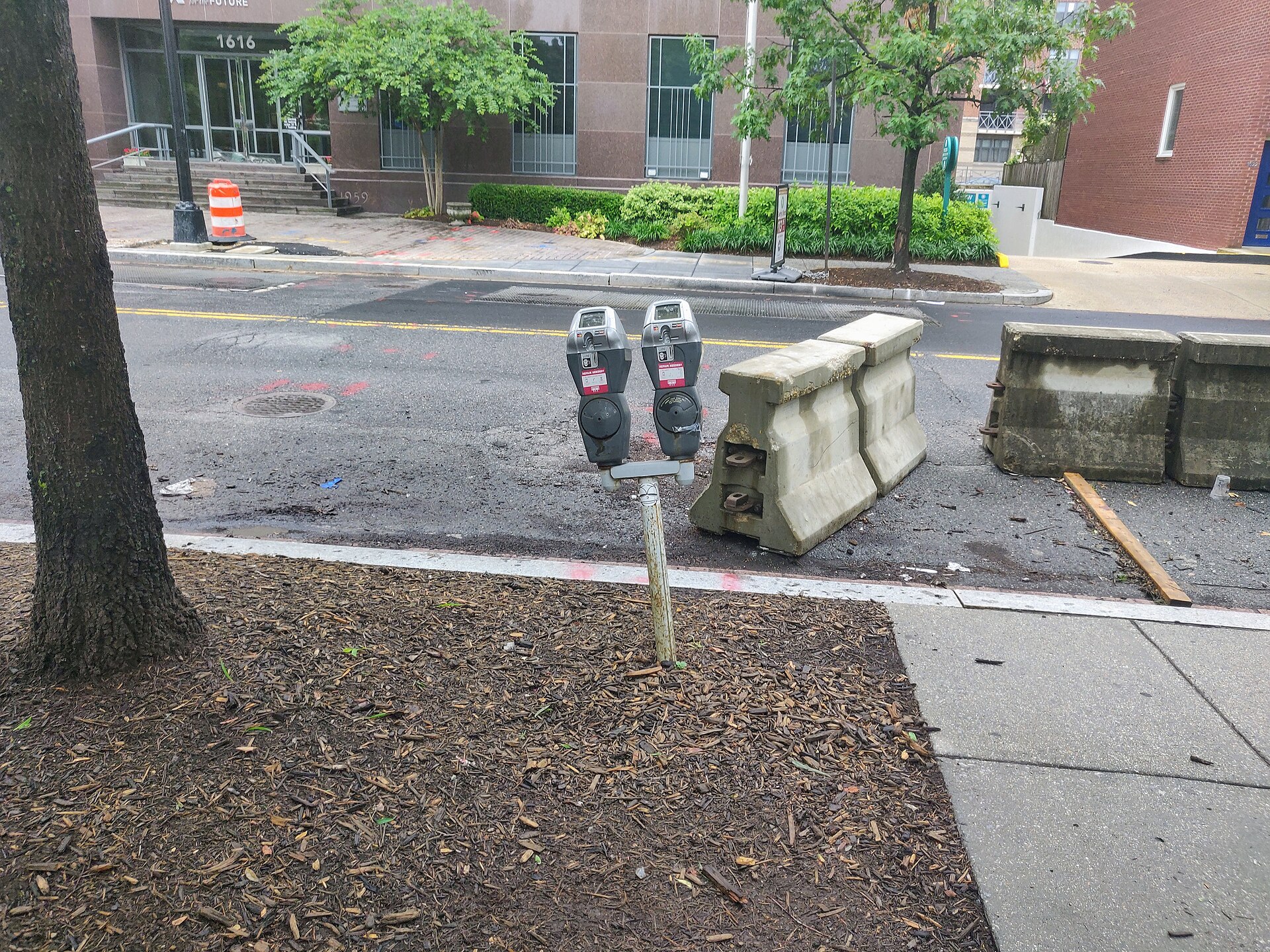
- Space or curb sensors: Occupancy events where the use case and maintenance model justify them.
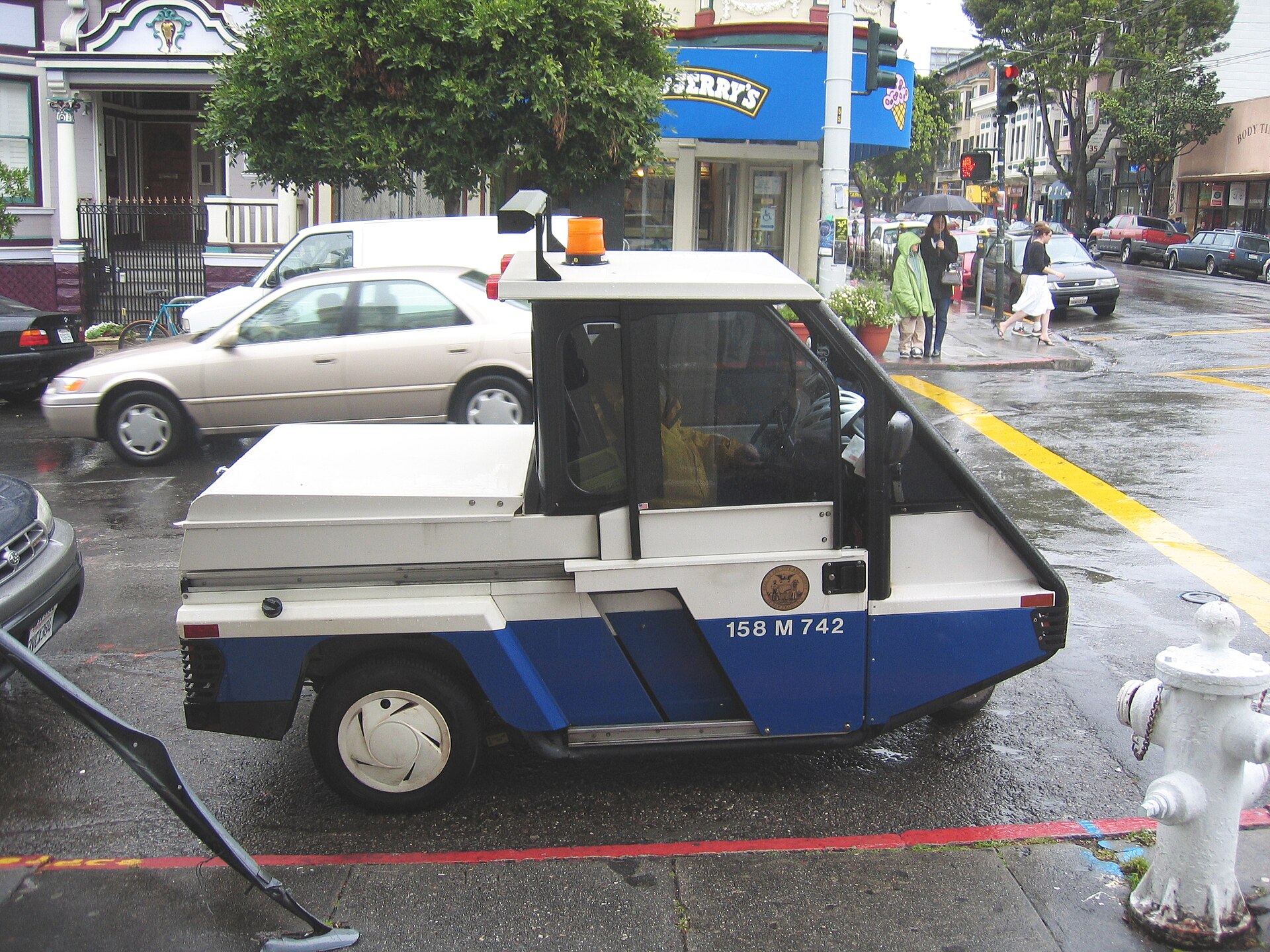
- Officer verification: Human observation and confirmation before consequential action.
- Plate-based matching: Limited to authorized workflows with appropriate controls.
Reduce identity where the decision allows
Some parking decisions require knowing whether a particular vehicle has paid or holds a permit. Others may require only knowing that a space is occupied beyond a limit or that a loading area is unavailable.
Architectures can use short-lived tokens, salted or keyed transformations, transaction references, or space-based status to reduce the circulation of raw identifiers. The appropriate technique depends on whether later correction, appeal, fraud investigation, or legal evidence requires re-linking.
De-identification and pseudonymization are not magic. NIST cautions that de-identification requires governance and risk assessment because combinations of data can permit re-identification.
Make curb rules computable
Enforcement cannot be reliable when the digital rule differs from the sign, ordinance, temporary order, or actual street configuration. Cities need an authoritative curb inventory with ownership and change control.
Seattle publishes datasets for parking signs, pay stations, blockfaces, rates, hours, peak restrictions, and other curb information. Turning those sources into enforcement decisions requires effective dates, conflict handling, geospatial precision, and a workflow for temporary changes.
Design for incomplete connectivity
Curbside systems operate in garages, dense streets, bad weather, and coverage gaps. A layered model must define which decisions can be made offline, how long cached rules remain valid, and what happens when a payment or permit cannot be confirmed.
Offline capability should not silently lower the standard of evidence. The application can defer action, capture an observation for later review, or require a different verification path depending on policy.
Evaluate sensors as a lifecycle commitment
Occupancy and curb sensors can provide useful signals without centering a plate number, but they introduce installation, calibration, battery, networking, vandalism, weather, accessibility, and asset-management obligations.
A pilot should measure false occupancy, missed events, maintenance effort, equity across neighborhoods, data retention, total cost, and whether the information changes an operational decision.
The goal is not to maximize sensors. It is to determine whether a particular signal creates enough public value to justify its lifecycle.
Use a modular integration layer
Rules, payment, permits, sensors, and plate-based systems will evolve at different speeds. A modular architecture gives each capability a defined interface and prevents a city from rebuilding the entire service when one component changes.
- Separate policy rules from device-specific application logic.
- Use common event and status models across payment and permit providers.
- Keep identity, authorization, audit, and retention services reusable.
- Version interfaces and test backward compatibility.
- Preserve city access to data and configuration needed for continuity.
Test against outcomes and harms
Compare approaches against the same baseline: accuracy, turnover or access outcomes, officer burden, resident burden, privacy risk, security, total cost, maintainability, and ability to explain a decision.
Include community representatives, disability perspectives, frontline officers, businesses, court staff, privacy and security specialists, and operations teams before scaling.
A solution that reduces collection but produces persistent false citations is not privacy-preserving in practice. Likewise, a highly accurate solution may still be unacceptable if it creates uncontrolled secondary use.
Conclusion
Cities do not need to choose between effective parking operations and responsible data practices. They can design a portfolio of signals and workflows matched to specific purposes.
Modularity, minimum necessary data, computable curb rules, human review, and outcome-based evaluation give cities room to adapt without sacrificing service reliability.