
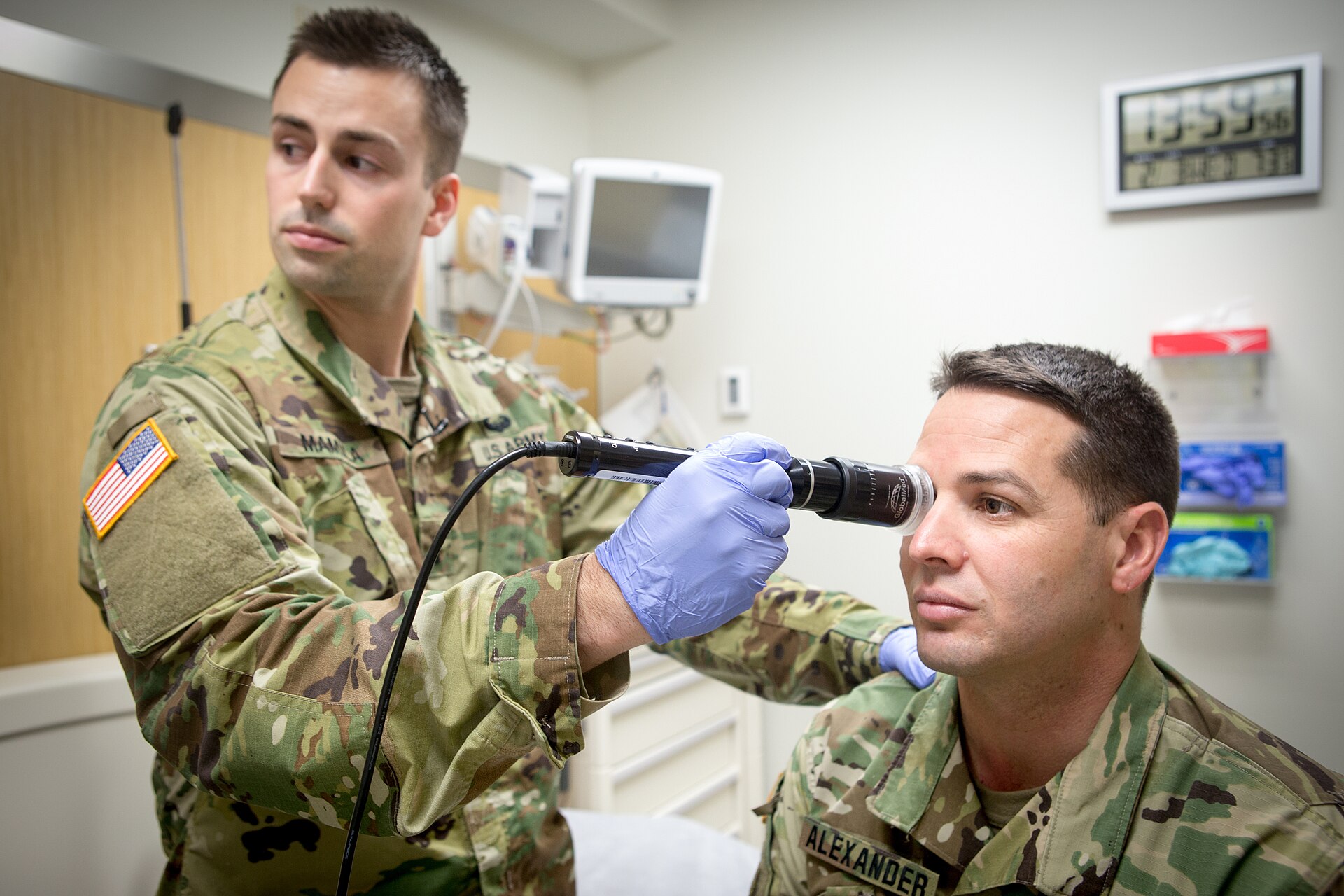
Cloud as a healthcare operating model
Cloud adoption is more than a technology trend in healthcare. For Health and Human Services agencies, it can create the capacity to modernize services, improve collaboration, strengthen continuity, and make trusted information available where it is needed.
The opportunity is significant, but the path can feel unfamiliar. Agencies must balance mission outcomes with security, privacy, interoperability, procurement, and regulatory obligations. A useful starting point is understanding which cloud model fits each workload rather than treating “the cloud” as a single destination.
Understanding public, private, and hybrid cloud
Public cloud services provide shared infrastructure—such as compute, storage, databases, and applications—operated by an external provider. They can offer rapid scalability, flexible consumption, and access to a broad portfolio of managed services.
A private cloud dedicates computing resources to one organization, either on premises or in a specialized data center. It can provide greater control and customization for workloads with strict operational, privacy, or regulatory requirements.
Hybrid cloud combines both models. An agency can retain sensitive data or critical workloads in a controlled private environment while using public-cloud capacity and managed services where appropriate. For many healthcare organizations, this flexibility makes hybrid architecture a practical transition model.
Cloud characteristics that matter in healthcare
On-demand service allows authorized teams to provision storage, processing power, and applications without a lengthy infrastructure cycle. Elastic capacity helps agencies respond to enrollment periods, public-health events, research workloads, and changing patient volumes.
Resource pooling and measured consumption can improve utilization and shift spending away from large upfront infrastructure purchases. Those benefits depend on disciplined architecture, governance, identity management, cost controls, and continuous monitoring.
- On-demand access to approved infrastructure and services
- Elastic capacity for changing mission and patient needs
- Measured consumption with active cost governance
- Shared resources supported by strong identity and monitoring controls
Where cloud services support the mission
Electronic health record platforms can help clinicians and authorized staff retrieve and manage patient information across care settings. Telemedicine services can extend video consultation, remote monitoring, and virtual care to people who face geographic, mobility, or scheduling barriers.
Cloud-based health information exchange can support secure interoperability and care coordination. Analytics platforms can help agencies examine clinical, claims, operational, and public-health data to inform population health, quality improvement, and policy decisions.
Cloud backup and disaster-recovery capabilities can also strengthen resilience by replicating vital data and applications across geographically separated facilities. Recovery plans still require testing, clearly defined responsibilities, and realistic recovery objectives.
Examples across HHS
The Centers for Medicare & Medicaid Services has used cloud technologies as part of its broader effort to modernize systems and improve the delivery of services to beneficiaries, providers, and partners. Cloud platforms can support more scalable data processing, faster delivery cycles, and improved access to analytics.
The National Institutes of Health has expanded researchers’ access to cloud-based compute and storage through initiatives such as STRIDES. This kind of shared infrastructure can accelerate analysis of large biomedical datasets, enable collaboration, and reduce the time researchers spend assembling local computing environments.
Improving patient outcomes
Cloud analytics can bring together genomic, clinical, and monitoring data to help care teams identify patterns and tailor interventions. Used responsibly, these capabilities can support precision medicine, diagnostic decision-making, and more coordinated treatment plans.
For chronic-disease management, connected monitoring tools can help patients and care teams track vital signs, symptoms, and adherence between visits. Timely signals can support earlier intervention, reduce avoidable hospital use, and give patients a more active role in managing their health.
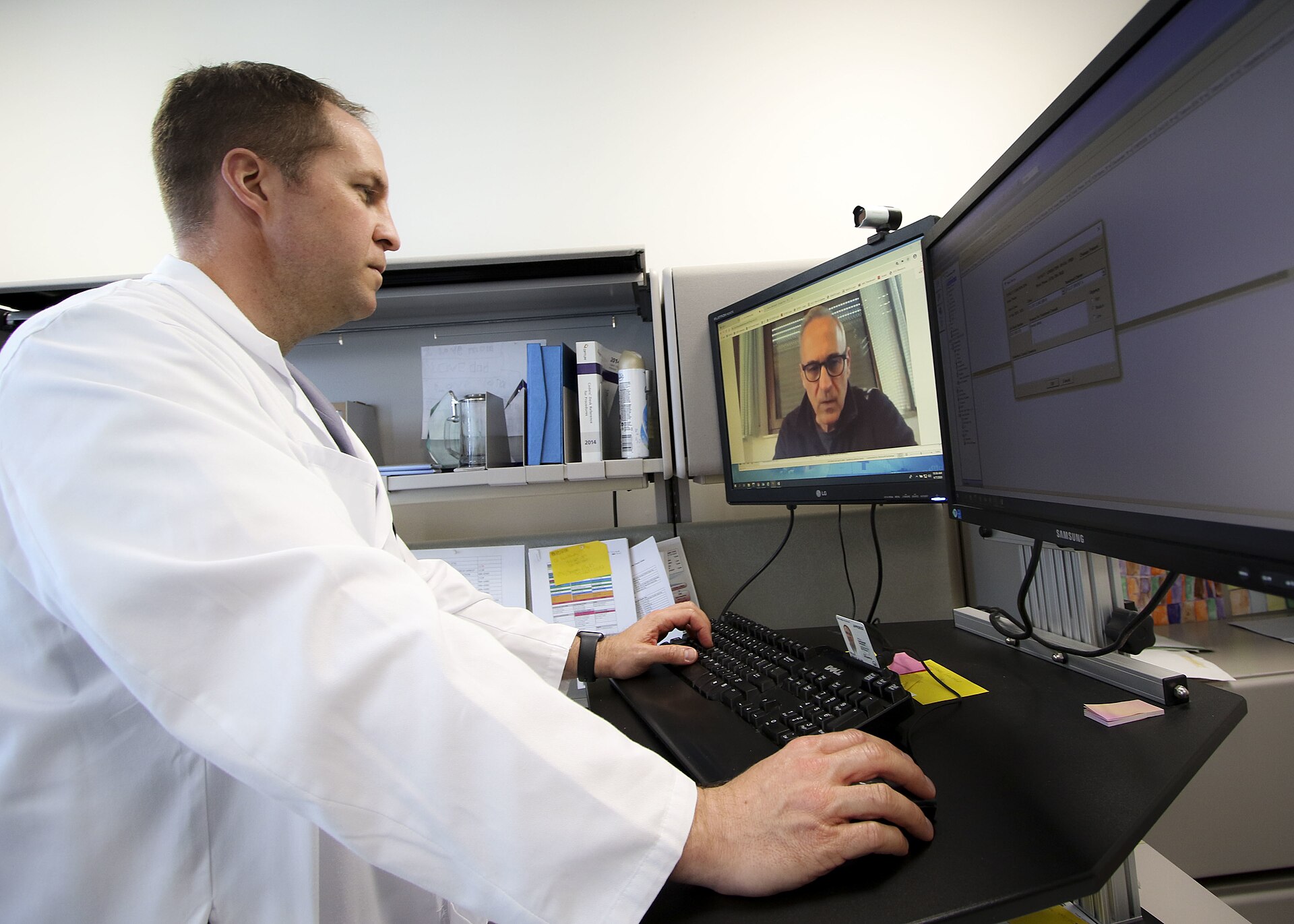
Expanding telehealth and remote monitoring
Cloud platforms can help healthcare organizations deliver video consultations, telemedicine visits, and remote support at scale. This can improve access for rural and underserved communities while giving patients more flexible ways to engage with care teams.
Remote patient-monitoring services can securely collect relevant measurements and make them available to authorized clinicians. Successful programs pair technology with clear clinical protocols, accessible patient support, inclusive service design, and safeguards for sensitive health information.
A practical implementation roadmap
Begin with a clear view of current infrastructure, applications, data, dependencies, and operating processes. Connect every proposed cloud investment to a mission outcome, measurable success criteria, and an accountable owner.
Finally, invest in training and change management. Track performance, service quality, security, cost, and user outcomes after launch, then use those signals to improve the platform and operating model continuously.
- Assess infrastructure, applications, data, dependencies, and processes.
- Tie each investment to a mission outcome and accountable owner.
- Engage program, security, privacy, acquisition, and frontline stakeholders early.
- Evaluate providers for security, reliability, interoperability, scalability, and total cost.
- Plan migration phases, testing, rollback, continuity, and data governance.
Security, privacy, and compliance
Cloud adoption does not transfer an agency’s responsibility for protecting health information. Teams should assess applicable requirements—including HIPAA, HITECH, federal security standards, records obligations, and agency-specific policy—and define how responsibilities are shared with each provider.
Strong identity controls, encryption, logging, continuous monitoring, incident response, data-loss prevention, and tested recovery procedures should be designed into the service. Security and privacy reviews are most effective when they begin with architecture and continue throughout the system lifecycle.
- Identity and least-privilege access
- Encryption and key management
- Logging and continuous monitoring
- Incident response and tested recovery
- Data-loss prevention and lifecycle governance
What comes next
Edge computing can process data closer to connected medical devices and points of care, while serverless platforms can help teams build event-driven services without managing every layer of infrastructure. Multi-cloud strategies may improve resilience and negotiating flexibility, although they also increase governance and operational complexity.
Cloud platforms will continue to support new approaches to remote patient monitoring, responsible artificial intelligence, secure health information exchange, and personalized care. The strongest opportunities will be those grounded in real clinical and public-service needs—not technology for its own sake.
Conclusion
Cloud computing has already changed how healthcare organizations manage capacity, collaborate, analyze information, and deliver services. For HHS agencies, its full value comes from combining modern technology with careful governance, workforce readiness, privacy protection, and a relentless focus on mission outcomes.
The journey is ongoing. Agencies that adopt incrementally, learn from measurable results, and adapt their controls as technology and policy evolve will be better positioned to deliver secure, resilient, and patient-centered services.